


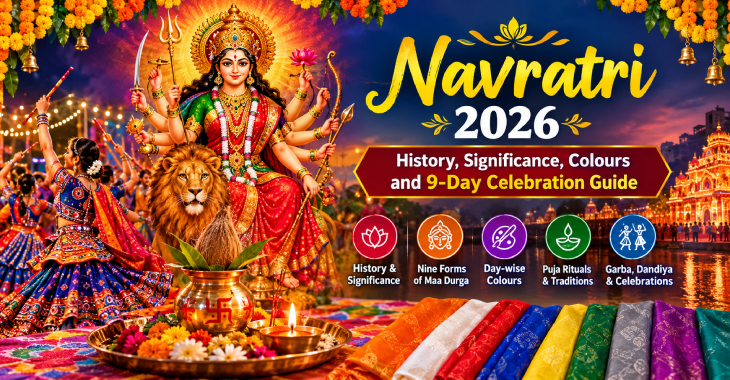
Navratri 2026 is one of India’s most celebrated Hindu festivals, dedicated to Goddess Durga and the divine feminine power known as Shakti. Observed over nine nights, this festival brings together devotion, traditional rituals, colourful clothing, devotional music, Garba, Dandiya and regional cultural celebrations. It represents the victory of good over evil and reminds devotees of the importance of courage, faith, wisdom and righteousness.
In 2026, Shardiya Navratri begins on Sunday, October 11, and the nine-day worship period continues through Monday, October 19. Vijayadashami, popularly known as Dussehra, falls on Tuesday, October 20, according to commonly published Indian festival calendars. Some regional calendars may differ in their observances because Hindu dates follow the lunar calendar and local sunrise timings.
Whether you want to understand the history of Navratri, learn about the nine forms of Maa Durga, discover the colours associated with each day or explore how different Indian states celebrate the festival, this complete guide covers the essential details of Navratri 2026.
1. When is Navratri 2026?
Shardiya Navratri is celebrated during the Hindu lunar month of Ashwin, usually in September or October. It is the most widely celebrated of the four traditional Navratri observances in many parts of India.
Here are the important dates for Navratri 2026:
- Navratri begins: Sunday, October 11, 2026
- Ghatasthapana: Sunday, October 11, 2026
- Durga Ashtami: Monday, October 19, 2026
- Maha Navami: Monday, October 19, 2026
- Vijayadashami or Dussehra: Tuesday, October 20, 2026
Durga Ashtami and Maha Navami coincide on October 19 in commonly published calendars for 2026. Always check a trusted local panchang for precise puja timings and observance details.
2. What is Navratri? Meaning and Importance
The word Navratri comes from two Sanskrit words: Nav, meaning nine, and Ratri, meaning night. Together, they refer to the nine nights dedicated to the worship of the Goddess.
During this period, devotees honour the nine forms of Goddess Durga, collectively known as Navadurga. Each form represents different qualities, including courage, devotion, creativity, motherhood, protection, purity and spiritual wisdom.
Navratri is not only a religious occasion but also a celebration of Indian culture and community. Families decorate their homes, visit temples, participate in prayers, prepare traditional dishes and attend cultural events.
The festival carries a universal message: strength and goodness can overcome negativity, while discipline, compassion and faith can help people face life’s challenges.
3. History and Mythological Significance of Navratri
Navratri is associated with several Hindu traditions and mythological stories. Two of the most widely known are the victory of Goddess Durga over Mahishasura and the victory of Lord Rama over Ravana.
Goddess Durga and Mahishasura
According to Hindu mythology, Mahishasura was a powerful demon who received a boon that made him difficult to defeat. As his power increased, he began troubling the gods and disrupting the cosmic order.
To restore balance, the divine powers united to manifest Goddess Durga, who was given celestial weapons and a lion as her vehicle. A great battle followed between the Goddess and Mahishasura.
After an intense struggle, Goddess Durga defeated the demon. Her victory symbolises the triumph of righteousness over arrogance, wisdom over ignorance and positive forces over destructive tendencies.
The nine nights of Navratri are traditionally associated with the Goddess’s divine power, while the tenth day celebrates victory and renewal.
Lord Rama and Dussehra
Another important tradition connects Navratri with the Ramayana. According to popular Hindu belief, Lord Rama worshipped Goddess Durga before his battle with Ravana.
Ravana, the king of Lanka, had abducted Sita, Lord Rama’s wife. With courage, determination and the support of his allies, Rama fought to rescue her and ultimately defeated Ravana.
Dussehra commemorates this victory and reinforces the message that pride and wrongdoing cannot prevail forever.
Although these stories have different narrative traditions, both highlight the festival’s central theme: the victory of good over evil.
4. The Nine Forms of Maa Durga Worshipped During Navratri
Each day of Navratri is traditionally dedicated to one of the nine forms of Goddess Durga. These forms represent different aspects of divine feminine energy.
Day 1: Maa Shailputri
Maa Shailputri is worshipped on the first day. Her name means daughter of the mountains. She is commonly depicted riding a bull and carrying a trident and lotus.
She represents strength, stability and a strong spiritual foundation. Devotees begin Navratri by praying for courage, peace and a positive beginning.
Day 2: Maa Brahmacharini
Maa Brahmacharini represents devotion, discipline and perseverance. She is often depicted holding a rosary and a water pot.
Her worship reminds devotees that patience, dedication and self-control are important for achieving meaningful goals.
Day 3: Maa Chandraghanta
Maa Chandraghanta is recognised by the crescent-shaped bell associated with her forehead. She symbolises bravery, protection and readiness to confront challenges.
Devotees seek her blessings for courage, confidence and peace of mind.
Day 4: Maa Kushmanda
Maa Kushmanda is associated with creative energy and the origin of the universe in popular Hindu tradition. Her name is connected with cosmic creation and vitality.
She symbolises optimism, radiance and the power to bring positive change.
Day 5: Maa Skandamata
Maa Skandamata is worshipped as the mother of Lord Skanda, also known as Kartikeya. She is commonly portrayed holding her child.
She represents maternal love, compassion, care and protection. Devotees pray for family harmony and wellbeing.
Day 6: Maa Katyayani
Maa Katyayani represents courage, strength and the determination to overcome obstacles. She is traditionally associated with the warrior aspect of the Goddess.
Her worship encourages devotees to act with confidence, stand up for what is right and face difficulties with determination.
Day 7: Maa Kalaratri
Maa Kalaratri is considered one of the most powerful forms of Durga. Her fierce appearance symbolises the destruction of fear, darkness and harmful forces.
Despite her formidable form, she is also regarded as a protective and benevolent mother to her devotees.
Day 8: Maa Mahagauri
Maa Mahagauri represents purity, tranquillity and spiritual renewal. She is often depicted wearing white and riding a bull.
Devotees associate her worship with inner peace, compassion, forgiveness and the desire for a fresh beginning.
Day 9: Maa Siddhidatri
Maa Siddhidatri is worshipped on the ninth day. Her name refers to the giver of spiritual accomplishments and divine blessings.
She represents wisdom, fulfilment and spiritual understanding. The final day of Navratri brings the nine-day devotional journey towards its conclusion.
5. Navratri 2026: Nine-Day Calendar and Colours
Wearing traditional clothes in festive colours is a popular Navratri custom. The colours associated with each day can vary by region, calendar tradition and the weekday on which Navratri begins.
For a commonly followed weekday-based colour sequence for 2026, the schedule is:
- October 11, Sunday — Orange: Associated with energy, enthusiasm and warmth.
- October 12, Monday — White: Symbolises peace, purity and serenity.
- October 13, Tuesday — Red: Represents strength, devotion and vitality.
- October 14, Wednesday — Royal Blue: Associated with confidence, stability and depth.
- October 15, Thursday — Yellow: Symbolises happiness, brightness and optimism.
- October 16, Friday — Green: Represents growth, harmony and renewal.
- October 17, Saturday — Grey: Associated with balance, composure and resilience.
- October 18, Sunday — Purple: Represents spiritual depth, dignity and ambition.
- October 19, Monday — Peacock Green: Associated in some regional traditions with grace, freshness and individuality.
These colours are a popular cultural convention, not a universal religious requirement. Different states, temples and families may follow different colour lists. The most important aspect of Navratri is devotion and the meaning behind the celebration.
6. Important Navratri Rituals and Puja Traditions
Navratri is observed through prayers, offerings, fasting, devotional songs and family traditions. Rituals differ across communities, but several practices are widely recognised.
Ghatasthapana
Ghatasthapana marks the beginning of Navratri. A sacred pot, known as a kalash, is installed in a clean prayer area according to family or regional custom.
The ritual symbolises inviting divine energy into the home and beginning the nine-day worship period. Many families also sow barley seeds in a small container as part of the ceremony.
The exact procedure and auspicious timing depend on the local panchang and family tradition.
Daily Durga Puja
Devotees may offer flowers, incense, fruits, sweets and water to Goddess Durga. They recite prayers, chant mantras, sing bhajans and perform aarti.
Some families read or listen to devotional texts associated with the Goddess, while others visit nearby temples throughout the festival.
Fasting During Navratri
Many devotees observe fasts as an expression of faith, discipline and spiritual reflection. Practices vary: some avoid particular grains or ingredients, while others follow a simpler vegetarian diet.
Fasting is a personal and religious choice, and customs differ between households. People should prioritise their health and follow appropriate dietary guidance rather than undertake practices that make them feel unwell.
Kanya Puja
Kanya Puja, also known as Kanjak Puja in some regions, is commonly observed on Ashtami or Navami. In this tradition, young girls are honoured as symbolic representations of the divine feminine.
Families may offer prayers, food and small gifts according to their customs. The practice emphasises respect, generosity and the sacredness of feminine energy.
Aarti and Bhajans
Aarti and devotional singing bring families and communities together. Temples and homes often organise special prayer sessions during the nine nights.
These practices help devotees express gratitude, reflect on spiritual teachings and share the festival with loved ones.
7. How Navratri is Celebrated Across India
One of the most fascinating aspects of Navratri is the variety of traditions observed across the country. Although the central theme is devotion to the divine feminine, the festival takes different forms in different regions.
Gujarat: Garba and Dandiya Nights
Gujarat is famous for its energetic Navratri celebrations. Communities gather in decorated grounds and event venues to perform Garba and Dandiya Raas.
Garba is traditionally performed in circular formations around a central lamp or devotional symbol. The circular movement is often interpreted as representing the cycle of life and the continuity of divine energy.
Dandiya Raas involves rhythmic movements with decorated sticks, accompanied by traditional music and modern festive performances. Participants wear colourful chaniya cholis, kediyu outfits and other traditional attire.
Ahmedabad, Vadodara, Rajkot and other cities are known for their lively celebrations.
West Bengal: Durga Puja
In West Bengal, Durga Puja is among the most important annual cultural and religious celebrations. Kolkata becomes especially vibrant, with elaborately designed pandals, artistic Durga idols, cultural programmes and community gatherings.
The festival honours Goddess Durga’s victory over Mahishasura and celebrates the Goddess’s symbolic return to her maternal home in traditions associated with the festival.
Visitors explore decorated pandals, enjoy Bengali cuisine and experience cultural performances. The celebrations culminate in rituals associated with Vijayadashami and the immersion of Durga idols.
North India: Ramlila and Dussehra
In many northern Indian states, Navratri is associated with temple worship, devotional gatherings and Ramlila performances.
Ramlila presents episodes from the Ramayana, including the story of Lord Rama’s journey and his victory over Ravana. On Dussehra, communities may stage symbolic effigy-burning ceremonies to represent the defeat of evil.
Cities such as Delhi and Varanasi are known for their Ramlila traditions and public festivities.
South India: Golu and Bommai Kolu
In Tamil Nadu and parts of neighbouring southern states, families arrange dolls and figurines on decorated steps during Navratri. This display is known by names such as Golu or Bommai Kolu.
The arrangements may depict Hindu deities, scenes from epics, traditional occupations and aspects of everyday life. Friends and relatives visit one another’s homes, exchange festive gifts and share traditional foods.
In Karnataka, Mysuru’s Dasara celebrations are especially well known for their royal heritage and cultural programmes.
Maharashtra: Community Worship and Cultural Events
Maharashtra celebrates Navratri through temple visits, devotional singing, fasting and community gatherings. Garba and Dandiya events are also popular in many cities.
The festival brings families and neighbourhoods together through religious ceremonies and cultural programmes.
Odisha: Durga Puja and Shakti Worship
In Odisha, Durga Puja is celebrated with great enthusiasm in cities and towns, including Cuttack and Bhubaneswar. Cuttack is particularly known for its decorated pandals and elaborate silver and gold decorative work in some celebrations.
Devotees visit pandals, offer prayers and participate in community events. The festival reflects Odisha’s rich artistic traditions and devotion to Goddess Durga.
8. Traditional Food and Prasad During Navratri
Food is an important part of Navratri celebrations. Families prepare special dishes for daily meals, religious offerings and festive gatherings.
The food served depends on local traditions, family preferences and whether devotees are observing a fast.
Popular preparations include:
- Sabudana khichdi: A tapioca-based dish prepared with ingredients such as potatoes and peanuts.
- Kuttu or singhara preparations: Dishes made using buckwheat or water chestnut flour in communities where these are permitted during fasting.
- Fruit and dairy dishes: Fruits, milk, yoghurt and other suitable foods are included in many fasting traditions.
- Halwa and puri: Traditional preparations often served during Kanya Puja in some North Indian households.
- Regional sweets: Families prepare local festive desserts and offer them to the Goddess as bhog.
- Satvik meals: Some devotees prefer simple vegetarian meals prepared according to their religious customs.
Food traditions vary considerably across India. Ingredients permitted during fasting are not the same in every community, so devotees generally follow their household or regional practices.
Sharing prasad and meals with family, friends and neighbours adds a spirit of togetherness to the celebration.
9. Navratri Dress Ideas and Decoration Tips
Navratri is also an opportunity to celebrate India’s traditional clothing, handicrafts and decorative arts.
Traditional Clothing
For women, popular choices include sarees, lehengas, chaniya cholis and salwar suits. Men may choose kurtas, dhotis, kediyu outfits or other traditional clothing.
Many people select clothing according to the day’s preferred colour. Comfortable footwear is especially useful for those attending long Garba or Dandiya events.
Home Decoration
Simple decorations can create a festive atmosphere without requiring a large budget.
Consider these ideas:
- Decorate the prayer area with fresh flowers and a clean cloth.
- Use colourful rangoli designs near the entrance.
- Add traditional fabric, torans and festive motifs.
- Arrange diyas safely in suitable holders.
- Use LED lights to brighten balconies and living spaces.
- Keep the worship area organised and free from clutter.
Always place lamps away from curtains and other flammable materials, and never leave an open flame unattended.
10. Best Places to Experience Navratri in India
If you want to experience Navratri beyond your home, several destinations offer distinctive cultural traditions.
Ahmedabad, Gujarat: Known for Garba events, community celebrations and devotional music.
Vadodara, Gujarat: Famous for large-scale Garba gatherings and traditional dance performances.
Kolkata, West Bengal: A major destination for artistic Durga Puja pandals, cultural events and Bengali food.
Mysuru, Karnataka: Known for its historic Dasara celebrations, illuminated palace and cultural programmes.
Delhi, India: Offers Ramlila performances, public Dussehra events and temple celebrations.
Cuttack, Odisha: Popular for its distinctive Durga Puja pandals and elaborate decorations.
Before travelling, check event schedules, ticket requirements, transport arrangements and local advisories. Large celebrations can attract significant crowds, so plan ahead and follow organisers’ safety instructions.
11. Why Navratri is Important in Modern Life
Navratri’s significance extends beyond rituals and celebrations. Its stories and traditions offer values that remain relevant in contemporary life.
Courage: Maa Durga’s victory over Mahishasura represents the importance of confronting injustice and acting with determination.
Discipline: Daily prayers and personal observances encourage consistency and reflection.
Respect for women: The worship of the divine feminine offers an opportunity to reflect on dignity, equality and respect for women and girls in everyday life.
Community spirit: Festivals bring neighbours, families and people from different backgrounds together through shared activities.
Cultural preservation: Traditional music, dance, clothing, crafts and storytelling help preserve India’s diverse cultural heritage.
Gratitude and renewal: Navratri gives people an opportunity to reflect on their actions, strengthen relationships and approach new challenges with a positive outlook.
These values make the festival meaningful for people who celebrate it through religious worship, cultural participation or family traditions.
12. Frequently Asked Questions About Navratri 2026
When does Navratri start in 2026?
Shardiya Navratri begins on Sunday, October 11, 2026. Ghatasthapana marks the start of the festival for many devotees.
When does Navratri end in 2026?
The nine-day worship period runs through October 19, 2026. Vijayadashami, or Dussehra, follows on Tuesday, October 20.
Which Goddess is worshipped during Navratri?
Goddess Durga is the principal deity, and devotees traditionally worship her nine forms, collectively called Navadurga, over the nine days.
What are the nine colours of Navratri 2026?
A commonly followed weekday-based sequence is orange, white, red, royal blue, yellow, green, grey, purple and peacock green. Regional colour traditions may differ.
Why is Navratri celebrated for nine days?
The nine nights are associated with worship of the nine forms of Goddess Durga and the divine struggle against negative forces. The tenth day celebrates victory and renewal.
What is Ghatasthapana?
Ghatasthapana is a ritual that marks the beginning of Navratri. It commonly involves installing a sacred kalash in a designated prayer area according to the family’s tradition.
Can people celebrate Navratri without fasting?
Yes. Fasting practices vary, and it is possible to participate through prayer, temple visits, devotional music, cultural events and acts of kindness without fasting.
What is the difference between Navratri and Dussehra?
Navratri refers to the nine-night period of worship, while Dussehra or Vijayadashami is the festival observed on the tenth day, celebrating victory over evil in important Hindu traditions.
Conclusion
Navratri 2026 is a celebration of devotion, cultural diversity and the enduring message that good can overcome evil. Beginning on October 11 and culminating in Vijayadashami on October 20, the festival brings together millions of people through worship, traditional food, colourful clothing, Garba, Dandiya and regional festivities.
From the nine forms of Maa Durga to the vibrant Durga Puja pandals of West Bengal and the traditional Garba celebrations of Gujarat, each custom reflects a different expression of faith and cultural heritage.
As families and communities prepare for Navratri, the festival offers a meaningful opportunity to practise gratitude, courage, compassion and respect. Whether you celebrate through daily prayers, cultural events or time spent with loved ones, Navratri reminds us to welcome positivity and work towards a more harmonious life.
May Maa Durga bless everyone with peace, wisdom, happiness and strength. Shubh Navratri 2026!
Read More
Raksha Bandhan 2026: Why We Celebrate This Special Festival
Independence Day 2026: Theme, History and What to Expect on August 15